
Fishing Rigs & Setups Done Right: Guide to More Catches
Do you want more bites when fishing for perch, pike, or trout? Then it is not enough to just cast the right lure into the water. Without the right rig, even the best soft bait, spinner, or worm won’t do much.
Many anglers lose fish because the bait is presented incorrectly. Or because they do not even know which rig makes sense when. Especially for beginners, fishing rigs are often the biggest weak spot.
In this guide, you’ll learn which rigs really work, from the basic rig to the Drop Shot Rig and the Texas Rig. You’ll learn how to work your baits properly, avoid mistakes, and finally get more fish on the line. Keep reading and find your perfect setup for lake, river, or canal. Whether you’re fishing for perch, pike, or trout.
Fishing Rigs & Rigs Done Right: Guide for More Catches - Everything Important at a Glance
- • Which rig for which target fish?
- • Basic rigs for trout, perch & pike explained
- • Drop Shot, Texas Rig, jig head: setup & presentation
- • Tips for beginners & the right gear
- • How to increase your catch rate with the right setup
What is a fishing rig anyway?
Many people talk about it, but only a few really know exactly what a fishing rig is. Yet it is part of the basic knowledge every angler needs. A fishing rig is the combination of leader, hook, bait, weight, and possibly a float. Everything you tie to the end of your main line belongs to the rig.
It determines how your bait works in the water – whether it looks natural, stands out, or stays as inconspicuous as possible. That’s exactly what affects whether the fish takes it or not. The purpose of a fishing rig is always the same: to present the bait so that the target fish sees it as easy prey. Depending on the situation, there are three basic types.
Basic rig
Ideal when the bait should be presented near the bottom or on the bottom. Typical for pike (with baitfish), trout in lakes, or perch in winter. Here, sinkers and leader length play an important role.
Float rig
Here, a float ensures that the bait hovers at a certain depth or drifts slowly. Especially popular for trout fishing, but also for pike fishing with baitfish.
Special rigs
The modern versions for active anglers. Drop Shot, Texas Rig, Carolina Rig, or jig head rigs. They come into play whenever the bait should be actively worked, for example when fishing for perch around cover or for pike in weed beds.
Common mistake with fishing rigs: knots are forgotten
Many people build good rigs – and still lose fish. Why? Poor knots are the most common reason. Whether it’s a basic rig or a complex rig. The connection has to hold. Leader, swivel, hook – everything depends on clean knots. If you are unsure, tie it again twice rather than getting it wrong once.
Basic rigs for perch, pike & trout
If you want to catch fish deliberately, you need a rig that suits the fish, the water, and the fishing technique. Especially for perch fishing, pike fishing, or trout fishing, some basic rigs have proven themselves for decades. They are easy to set up, flexible in use, and reliably bring fish to the line. Here you’ll find the most important versions at a glance, including tips on when and how to use them best.
Running sinker rig (bottom)
The absolute classic for bottom fishing. Easy to set up, quick to get ready, and suitable for many target fish. Especially trout in lakes or perch on the bottom respond reliably to this rig.
Because the sinker runs freely, the bait stays movable while the fish feels no resistance when it bites.
✔ Trout in the lake
✔ Perch in deep water

Fixed sinker rig (Bolt Rig)
This rig comes into play when you are targeting larger perch or pike on the bottom. The sinker is fixed in place, so the hook sets itself when the fish bites – similar to carp fishing. Especially effective for hard bites and trophy predators.
✔ Large perch
✔ Pike on the bottom
Side arm rig
Especially in rivers with strong current, the side arm rig with a feeder basket or sinker is a good choice. The side arm keeps the weight away from the bait, creating a natural presentation. Especially popular for bottom fishing for trout in current.
✔ Trout in the river
✔ Fast-flowing waters
Sliding float rig
The perfect rig when you want to present dead baitfish specifically for pike. With the sliding float, the bait can be presented at the desired depth – especially effective along drop-offs, in lily pad fields, or in deep bays.
✔ Pike in lakes or canals
✔ Calm, deep waters
Float rig with worm
The classic for trout and perch. Easy to set up, versatile, and still extremely effective. Especially in smaller waters or on clear days, a naturally presented worm often gets the decisive bite.
✔ Trout in ponds or streams
✔ Perch in summer
Modern rigs for active predator anglers
If you want to actively fish for perch, pike, or trout, you can’t avoid modern rigs. These setups are not only especially effective, they also give you more control over bait presentation, minimize snags, and improve bite detection. Here are the three most important setups you should know.
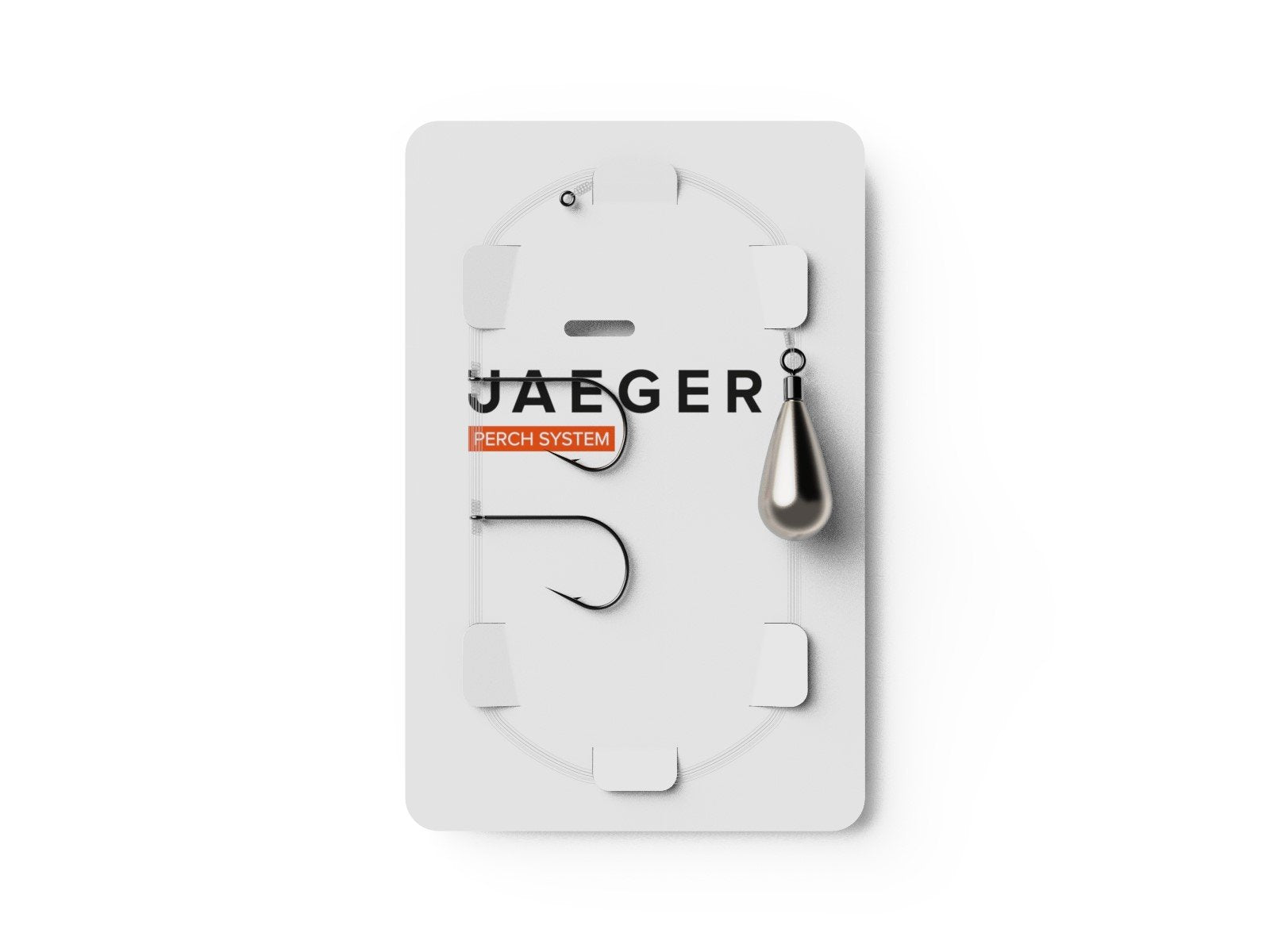
Drop Shot Rig – The classic for perch in cover
The Drop Shot Rig is indispensable in modern perch fishing. It really shines in waters with lots of rocks, branches, or other obstacles. The bait is presented suspended above the bottom – absolutely enticing for lethargic or suspicious perch. With short, targeted twitches, you bring the bait to life without moving it away from the spot.
✔ Ideal for perch in still waters and slow-moving waters
✔ Maximum bites with minimal risk of snags
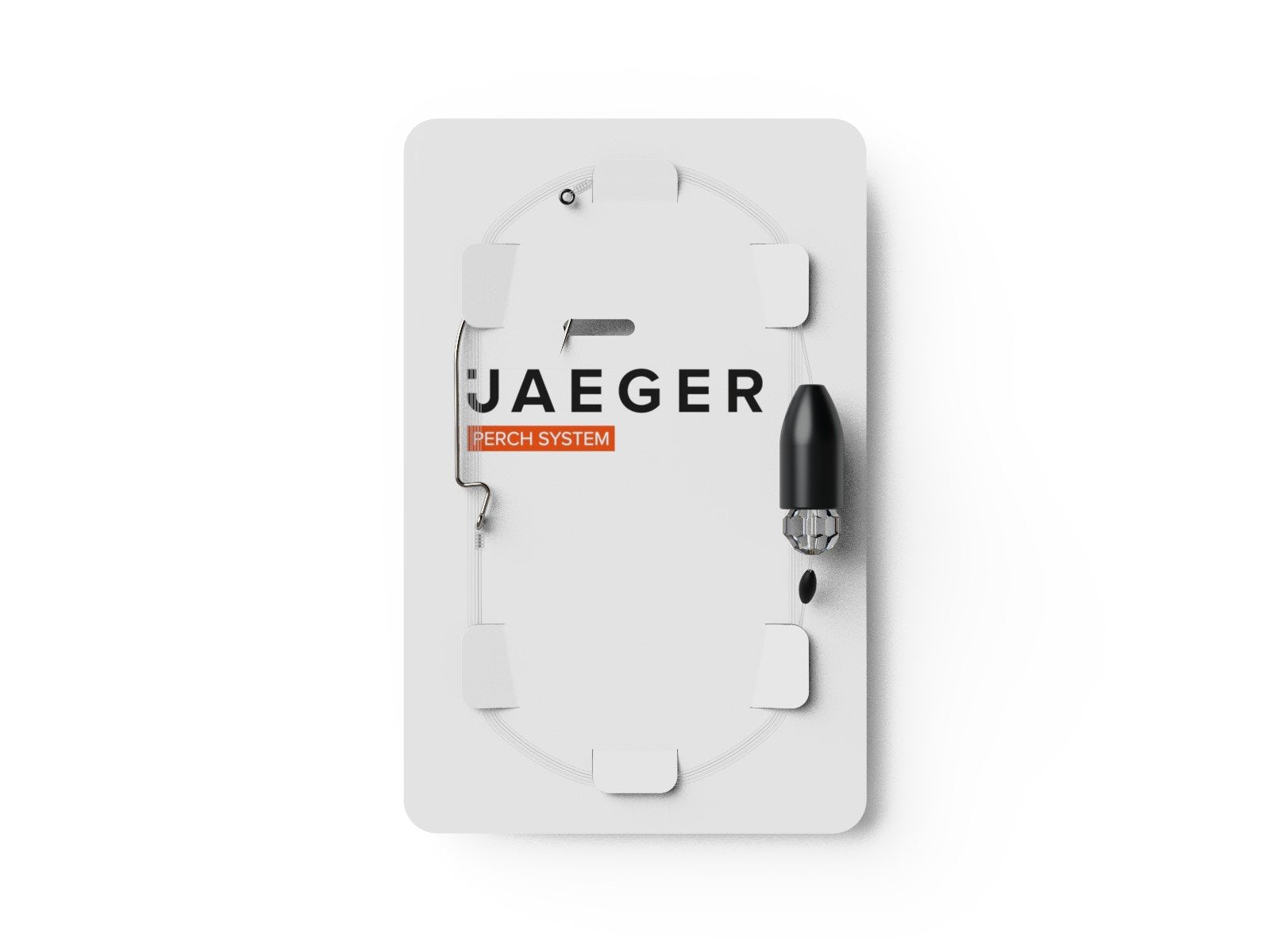
Texas Rig – The perfect choice for pike and perch in weeds
The Texas Rig is the first choice when you are fishing among lily pads, weed beds, or branches. The weedless setup with an offset hook protects the bait from snags, while the bullet weight guides it cleanly through obstacles. Perfect for soft baits that should be worked actively in weeds or along edges.
✔ Ideal for perch and pike in summer when predators are holding deep in the weeds
✔ Perfect for aggressive, active bait presentation
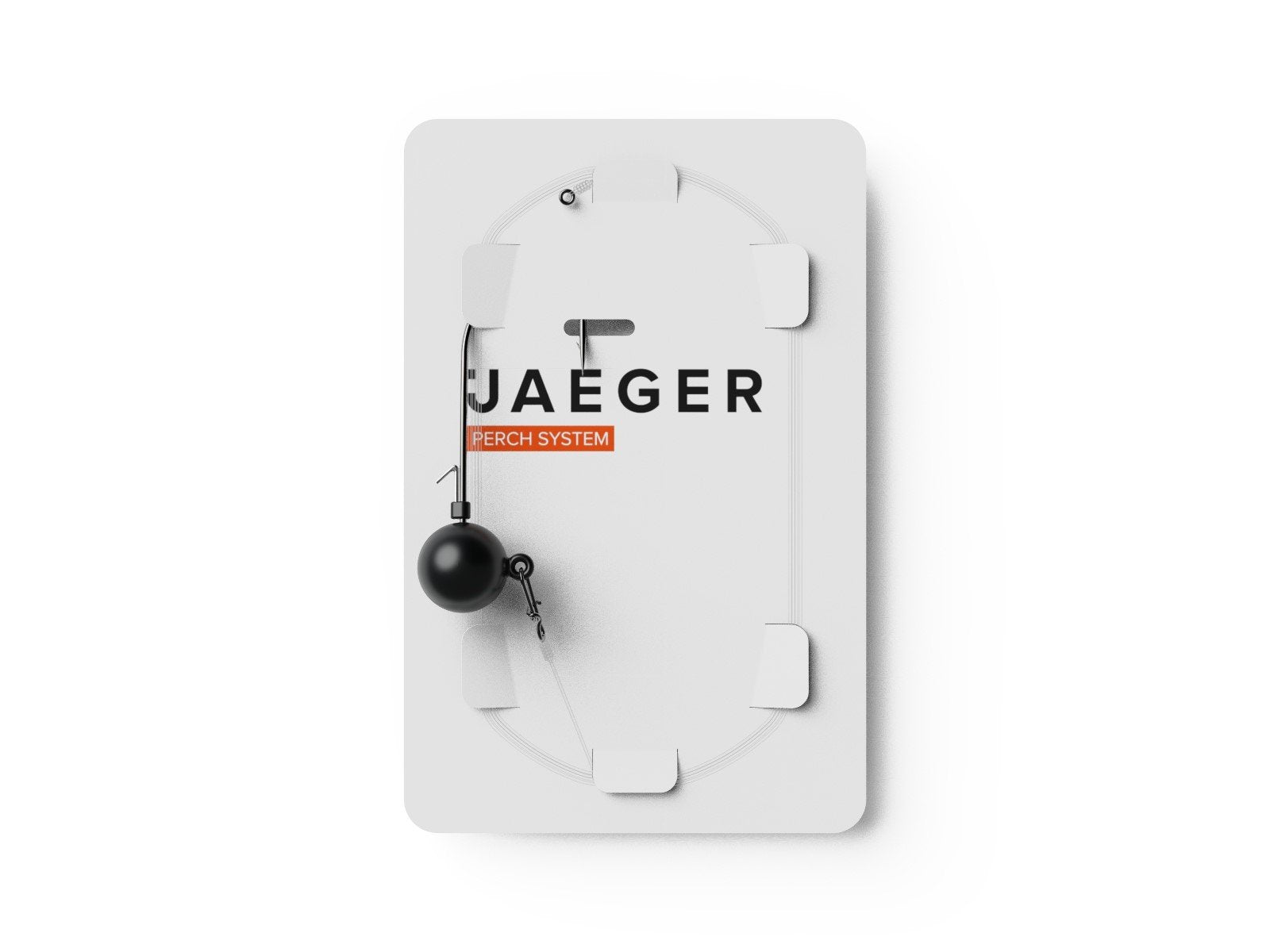
Jig head rig – The all-rounder for trout and perch
Whether in a river, lake, or canal: jig head rigs are the ultimate all-rounder. The soft bait is guided in a controlled way by the lead shape, can be jigged perfectly, and reliably hooks both perch and trout. Depending on bait size, weight, and shape, you can control running depth and action precisely.
✔ Ideal for trout, perch, and zander in all water types
✔ Flexible use from shore or boat
Why modern rigs are so popular
✔ Better control over bait presentation
✔ Higher bite conversion because the bait stays longer in the hotspot
✔ Far fewer snags in weeds or cover
Which rig for which target fish?
Our rig recommendation
| Target fish | Recommended rig | Bait examples |
|---|---|---|
| Perch | Drop Shot / jig head | Soft bait, worm |
| Pike | Texas Rig / float rig | Soft bait, baitfish |
| Trout | Running sinker rig / float | Maggot, spinner, dough |
FAQs
Which rod for a bottom rig?
A medium-heavy rod with a sensitive tip and enough backbone is ideal. Look for a casting weight between 20 and 60 grams.
How do I make a simple rig for perch?
The jig head rig with a small soft bait is the easiest way to start. Quick to set up and extremely effective.
Which fishing technique is suitable for trout?
Sliding float or running sinker rigs are classics for trout. Especially effective in combination with dough, worm, or spinner.
What is the best rig for pike?
The Texas Rig or a classic float rig with baitfish are top choices. Both versions minimize snags and present the bait optimally.